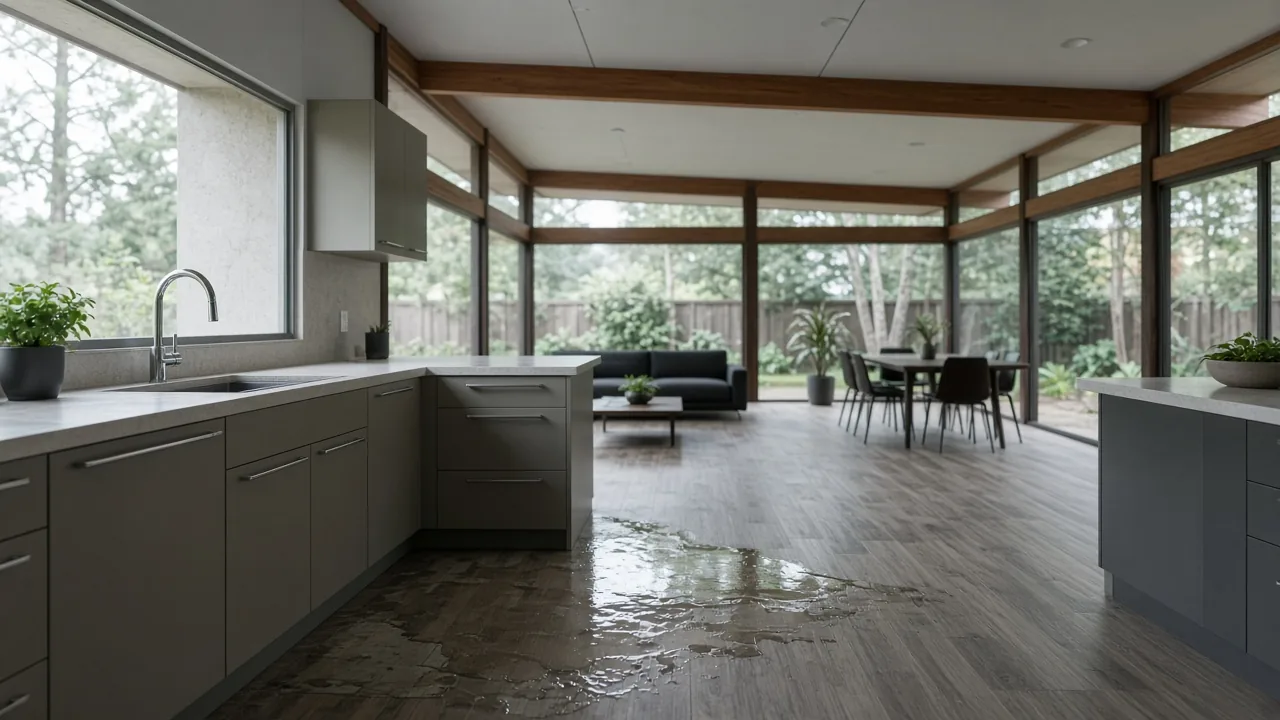
Water Damage Help for Santa Clara Homes, From the Old Quad North
Good water damage restoration Santa Clara homeowners can rely on starts with knowing the houses. Most were built in the decades after World War II, many have original plumbing and drain lines, and the City itself handles water, sewer and even electricity. We work within all of that to dry, repair and document your home.
Water running somewhere it shouldn't? Call (408) 555-0114.
Prefer to talk? (408) 555-0114
- Water extraction
- Moisture mapping
- Structural drying
- Repairs and rebuild
Water damage help in Santa Clara
Water Heater Leaks
Tank leaking in a Santa Clara garage, closet or utility room? We stop the spread, extract, dry the walls and floor, and rebuild. Call our crew now.
Learn moreSewer Backups
Sewage coming up a tub, shower or floor drain in Santa Clara? Call the City to check the main, then call us to remove, disinfect and dry. Phone now.
Learn moreMold Remediation
Mold in a Santa Clara home usually follows a leak no one saw. We find the moisture, contain the area, remove the growth and dry what's left. Call Us.
Learn more
A City Built Mostly After the War
Santa Clara incorporated in 1852 around the old mission, and the square original town is still called the Old Quad. The City's own history notes that the population stayed fairly stable until after World War II, when Santa Clara outgrew its 19th-century boundaries and spread north and west over orchard land. The Census Bureau's 2024 estimate puts the median home's build year at 1975, with close to 58 percent built before 1980.
That age shows up in our work. Supply lines and fittings have decades of service behind them, and some sewer laterals have no property-line cleanout at all; the City says most construction since the 1960s includes one, so older lots are the ones that often don't.
What We Fix Most
- water heater failures in garages, closets and interior utility rooms
- sewer backups into tubs, showers and floor drains
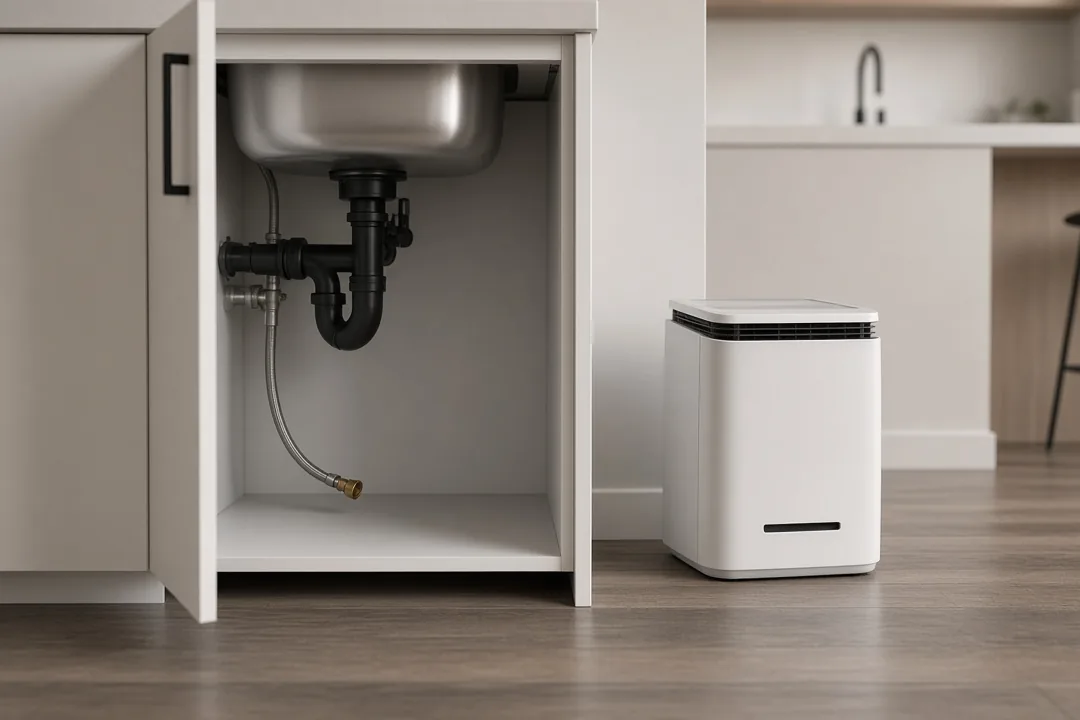
- supply line and fitting leaks under sinks and behind toilets
- slow leaks inside walls that turn into stains or mold
- roof leaks during winter storms
Winter Creeks
Santa Clara sits along several waterways that Valley Water tracks closely. Its archive includes footage of flooding on March 10, 1995, along Calabazas Creek, the Guadalupe River and San Tomas Aquino Creek, and the district has published flood reports for 1998, 2017 and the 2022-23 winter as well. Most of our calls are still plumbing-related, but a wet winter can bring water in from outside too.
Before You Call Your Insurer
Write down when you first noticed the water and what you did to stop it. Photograph the source, the wet rooms and anything damaged, and keep the failed part, whether that's a hose, a valve or the tank's label. Adjusters often ask whether a leak was sudden or slow; our dated moisture readings and notes help answer that.
Step by Step
- We confirm the source is off and the area is electrically safe.
- Standing water is extracted from carpet, hardwood, tile or slab.
- Meters and thermal imaging show where it traveled.
- Wet pad, baseboard or drywall come out only where readings require it.
- Drying equipment runs, with readings logged every day.
- We rebuild and match finishes.
You'll receive photos, a written scope and the moisture log for your insurer.
Santa Clara Local Notes
Santa Clara's Building Division offers a fast "simple permit" for some single-family work, including like-for-like water heater replacement, re-piping inside the house and replacing a water or sewer service line out to the property line. Homes in historic areas, condos and townhomes don't qualify for that route, so we'll flag where a regular permit applies.
We work across the city, from the Old Quad and the streets around Santa Clara University to Rivermark near the Guadalupe River.
Call when you need us: (408) 555-0114.
Frequently asked questions
Who do I call first for a sewer backup?
The City. Its crews will check the main and the lower lateral at no charge if there's a property-line cleanout. Then call us for cleanup.
Is my older hardwood floor a loss?
Not necessarily. Clean-water leaks caught early can often be dried in place with careful monitoring.
What happens when you call
- 1
Describe the damage
Call (408) 555-0114 and describe where the water came from and which rooms are affected.
- 2
Schedule the assessment
We follow up to confirm the details and set an inspection time that works for you.
- 3
Drying, then repairs
Water is extracted, moisture is measured and the structure is dried before repairs begin.